
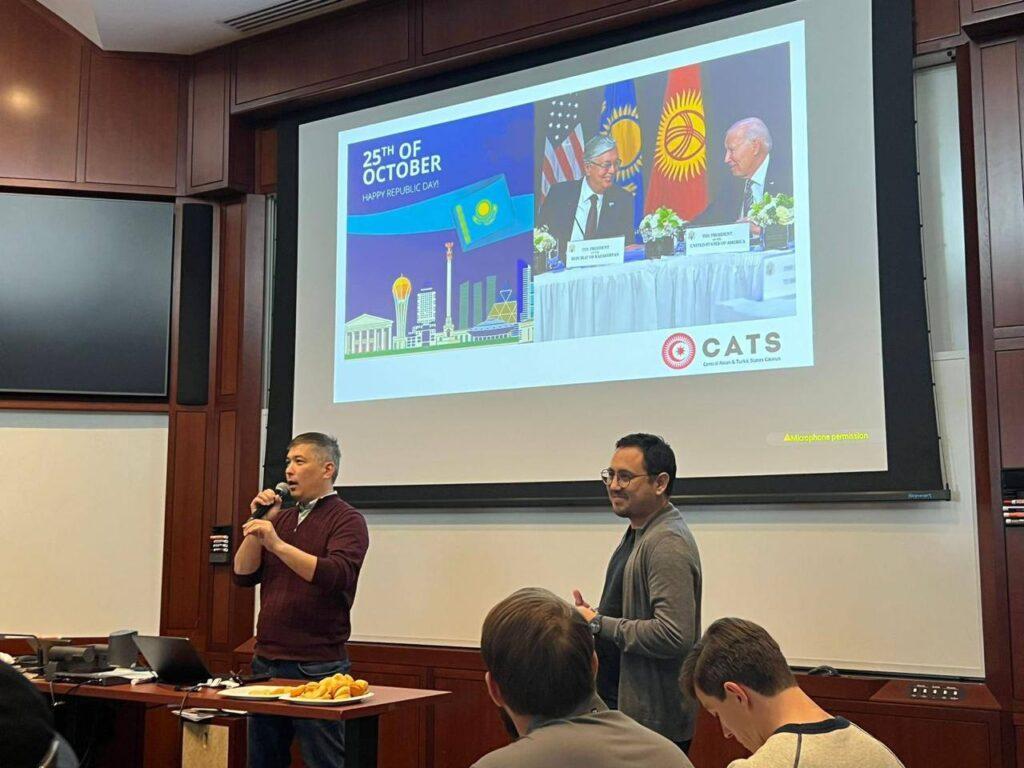
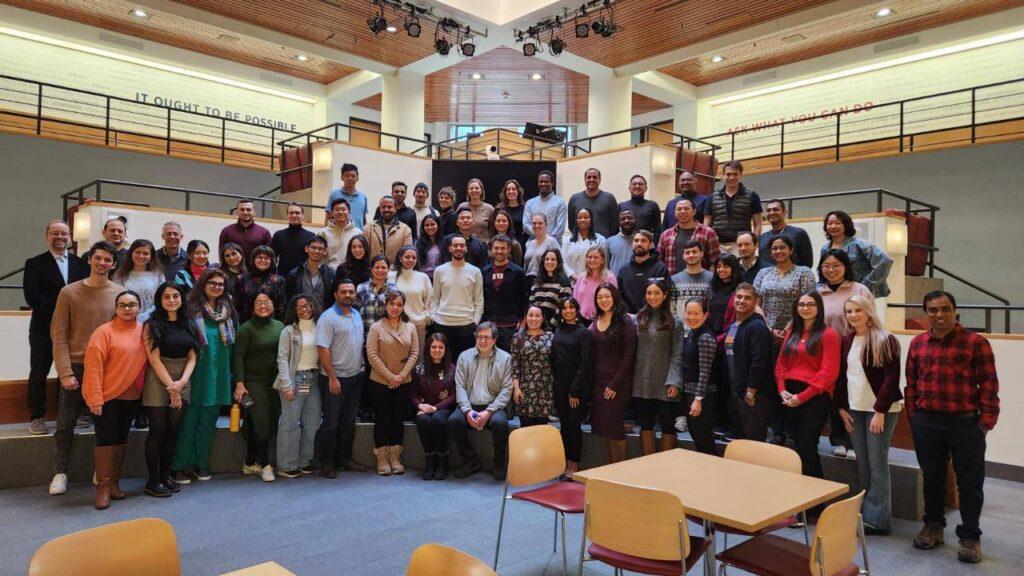
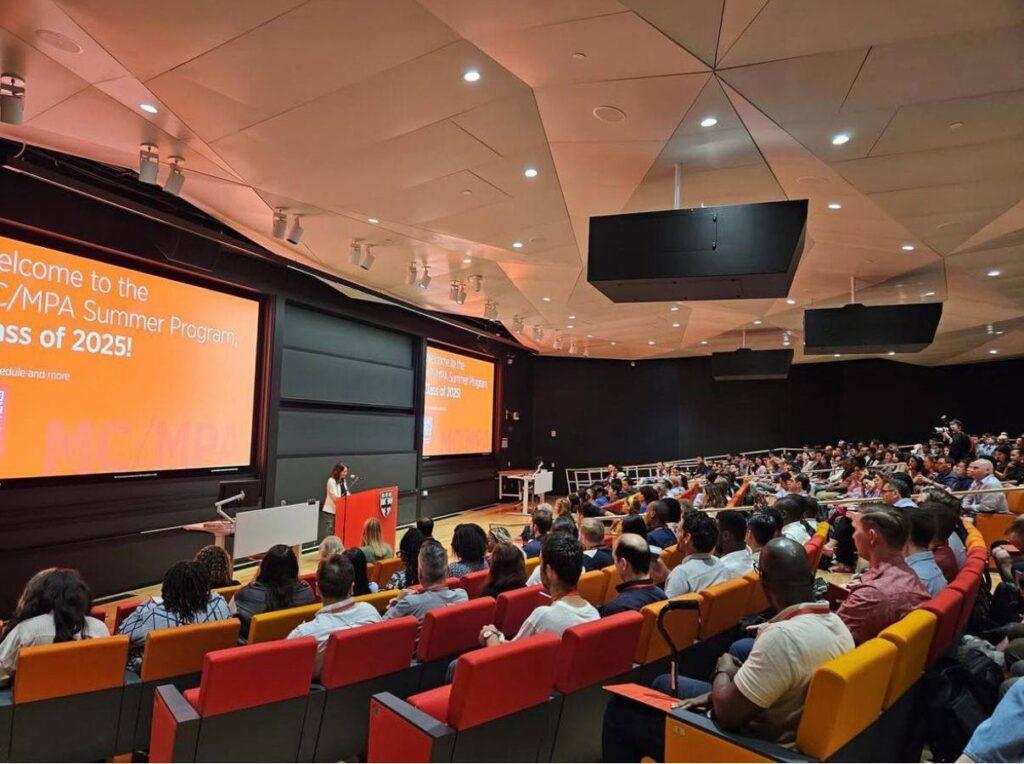
As part of the "Frontline negotiation lab" course At the Harvard School of Public Administration, a group of students led by a Kazakhstani student prepared a project that reveals the specifics of communication between a subsidiary of SEC Almaty JSC, the Almaty Akimat Capital Construction Enterprise LLP ("CCE") and residents of dilapidated houses during the implementation of the renovation program.
To complete the case, the students recorded a series of interviews with Altynbek Nuratuly, Deputy Chairman of the "CCE" Board, and Natalia Knaub, Director of the "CCE" Resettlement Department, who were directly involved in negotiations with the townspeople.
Despite the social orientation of the program – the free provision of new, modern apartments in exchange for non–earthquake-resistant old ones - potential migrants may experience distrust, fear of changes, and lack of understanding of the legal and economic aspects of renovation, which may have a negative impact on the pace of its implementation.
The students found out that the key success factors of the "CCE" negotiation team are the synergy of legal training, patience, psychology, transparency of processes, flexibility and individual approach.
Thanks to advanced tactics and academic negotiation models, between 2023 and 2024, PKK successfully resettled 440 owners of dilapidated housing.
The final project was highly appreciated by the course's Professor, former Adviser to the UN Secretary-General on Humanitarian Issues, delegate to the International Committee of the Red Cross and Director of the Center for Humanitarian Dialogue By Claude Bruderlen.
In addition, the "CCE" case became the first Kazakh case reviewed as part of the Harvard School of Public Administration's Frontline negotiation lab course.
It should be recalled that at the end of November 2024, the "Almaty Housing Renovation Program until 2030" was approved in the metropolis. One of the key features of the new program was the introduction of mechanisms to protect the rights of homeowners and improve interaction with residents and the public.
There are three compensation options for owners of dilapidated housing:
Barter agreement: the exchange of old housing for new on a room-for-room basis, regardless of the number of residents.
Transfer of ownership agreement: equivalent housing is provided after the completion of a new house. Until then, residents are provided with temporary housing.
Purchase and sale agreement: purchase of housing at a market value determined by an independent appraisal company.
Relocation and demolition of buildings should be carried out only with the consent of all owners. For citizens with special needs, conditions are provided for relocation to the ground floors or to houses equipped with elevators, ramps and barrier-free access. Primary attention is paid to the demolition of reed-frame houses and buildings located on tectonic faults, which will ensure the safety of residents of the metropolis.
By 2030, it is planned to renovate at least 676 dilapidated houses, which will allow the relocation of about 7,500 owners to modern comfortable apartments.
The renovation program is one of the key elements of the strategic development plan for the city of Almaty, aimed at turning it into a comfortable, sustainable and innovative metropolis. The successful implementation of this program will ensure the formation of a high-quality urban environment, improve the standard of living of citizens and create a favorable climate for attracting investors.